How to Ensure a Safe Construction Site
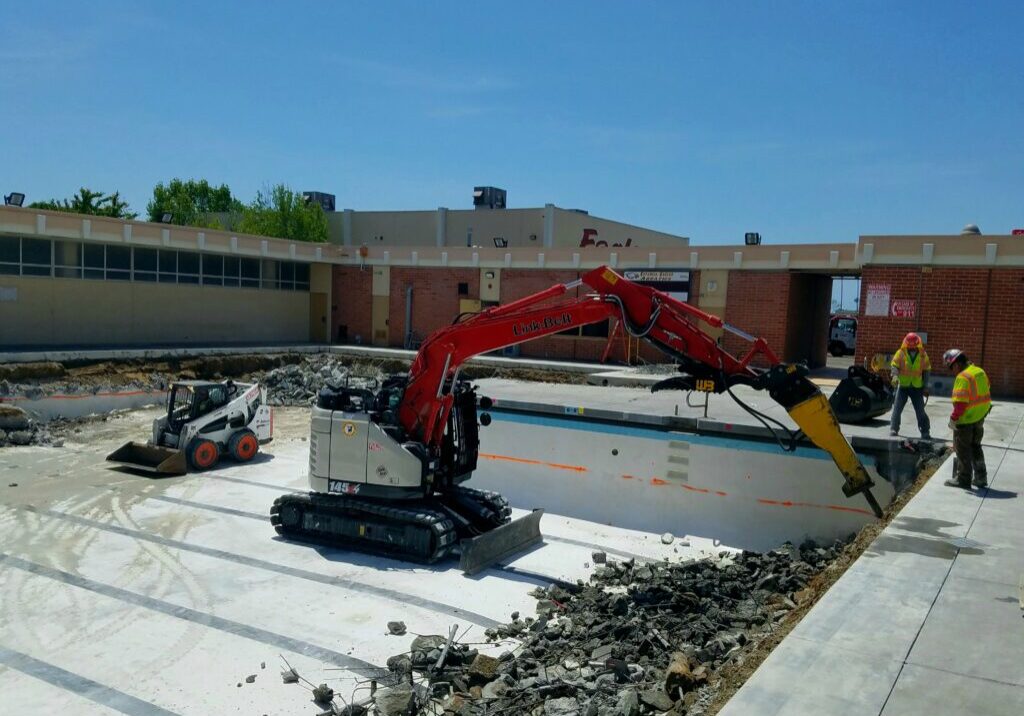
Construction remains one of the most hazardous industries globally, but the sobering truth is that nearly every accident is preventable. Companies specializing in concrete services from cutting and coring to demolition and grinding must have foundational safety practices and protocols. A commitment to health and safety is a critical strategy that directly impacts productivity, profitability, and crew morale.
By implementing and maintaining these five core strategies, project managers can ensure a Zero Accident Work environment that protects employees, clients, and the public.
5 Tips for a Safe Concrete Construction Site
1. Thorough Job Site Set-up and Hazard Identification
Safety starts long before the first team member steps foot on site. The project management team must conduct a meticulous, site-specific hazard assessment to identify every potential risk factor.
Hazardous Materials Survey: A crucial, early step is asking clients for a project-specific Hazardous Materials Survey. This allows the team to pinpoint and safely address materials like lead-based paint, asbestos, mercury in light fixtures, or hydraulic oil in elevators before the main workforce arrives. Addressing these hidden chemical and environmental risks prevents serious, long-term employee health exposure.
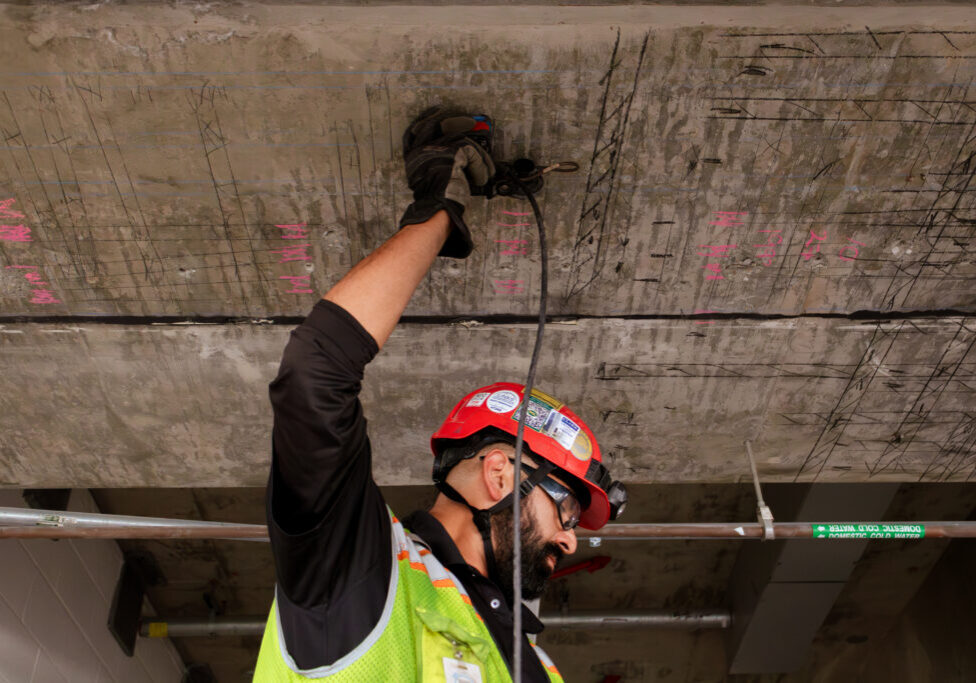
Utility & Structural Mapping: Especially in concrete work, confirming the location of all live utilities, rebar, post-tension cables, and buried lines (using GPR scanning or X-ray imaging) is paramount. Striking an unknown utility can be fatal.
2. Clear, Layered, and Documented Communication
In complex construction environments, clear communication is the grease that prevents accidents. Safety information must flow up, down, and laterally across all organizational layers.
Information Relay Protocol: Establish a formal path for hazard information. For example, sales and project managers must relay initial site conditions and potential hazards to dispatchers and safety professionals.
The Pre-Task Safety Huddle: Before any new task begins, the crew must pause and collectively answer four critical questions:
1. What am I about to do? (Define the task)
2. Is there anything that can go wrong? (Identify the risks)
3. What have I done to correct the problem? (Implement controls)
4. What have I done to communicate the problem? (Ensure awareness)
Site-Specific Safety Plans (SSSPs): Every unique project should have a written SSSP. This plan, reviewed by the project management team and discussed with the entire workforce, ensures that corrective actions are documented and implemented before work commences.
3. Consistent Training and Verification of Competency
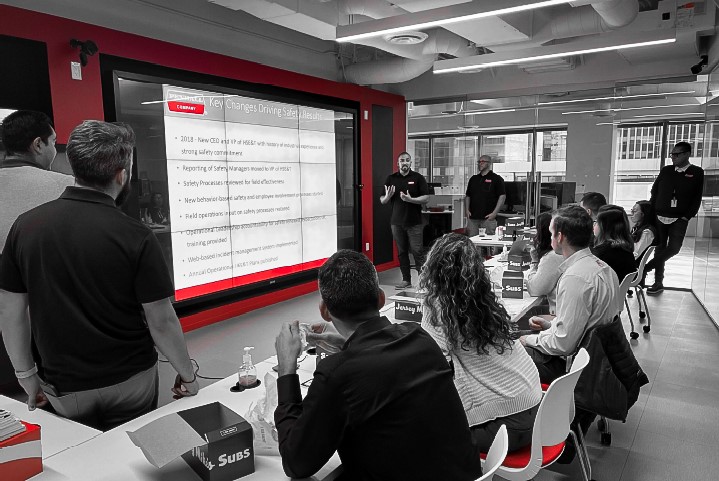
Training is the bedrock of safety culture. It must be an ongoing, continuous process, starting from the executive level and extending to every boot on the ground.
Initial & Recurrent Training: Beyond basic new hire orientation, all team members require recurrent training on recognizing safe vs. unsafe conditions, effective safety communication, and correcting hazardous behaviors.
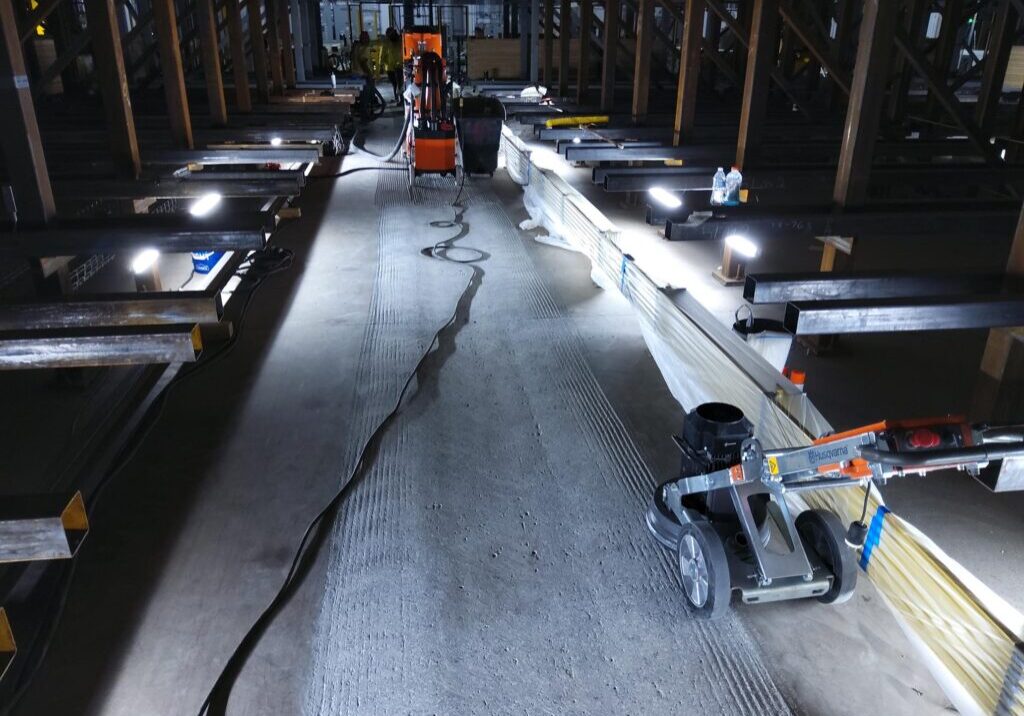
Equipment Specialization: Crew members operating specialty equipment—such as flat saws, wall saws, core drills, or hydrodemolition robots—must be certified specifically on the use and safety aspects of that particular machine. Management must formally sign off on each employee’s ability to complete unsupervised, specialized activities to ensure competence.
Empowering the Workforce: Training should instill a sense of ownership over safety, empowering every worker to recognize hazards, stop unsafe work without fear of reprimand, and mentor less-experienced teammates.
4. Leverage Seasoned Expertise and Experience
Experience, often measured in years or even decades, is an invaluable safety asset on any concrete construction site. Seasoned operators often possess a deep, intuitive ability to recognize subtle, developing hazards that may escape the notice of a less-experienced crew.
Mentorship and Knowledge Transfer: Companies must prioritize pairing experienced operators with newer team members. This structured mentorship accelerates skill development and transfers critical, situational hazard recognition that cannot be taught solely in a classroom.
Situational Awareness: An experienced workforce understands the subtle nuances of concrete behavior, equipment limitations, and the specific risks associated with complex cuts or structural removals, ensuring that safety-related issues are communicated quickly and accurately to supervisors before they escalate into incidents.
5. Cultivate a Positive and Collaborative Work Environment
Safety is inherently tied to morale. A positive work environment fosters trust, which is essential for a robust safety culture.
Trust and Accountability: When supervisors and management interact professionally and respectfully with their teams, it cultivates a positive atmosphere where workers trust that their well-being is genuinely valued.
Team Cohesion: A collaborative environment means that crew members look out for one another. Workers are more willing to report hazards, challenge an unsafe directive, or intervene to correct a co-worker’s unsafe act when they feel a strong sense of team cohesion and mutual support. A positive attitude, fostered by leadership, ensures that the safety message resonates as an act of care, not just a set of rules.
At the end of the day, safety is not a matter of chance—it is a result of meticulous planning, continuous training, clear communication, and an unwavering commitment to maintaining a positive, professional environment where every individual is empowered to protect themselves and their team.