As a project manager, you know that risk management is an important aspect of your job. When considering the project at hand, your job is to reduce the risks that may come with that particular project, and make sure that in the end- the job is successful and profitable for your company.
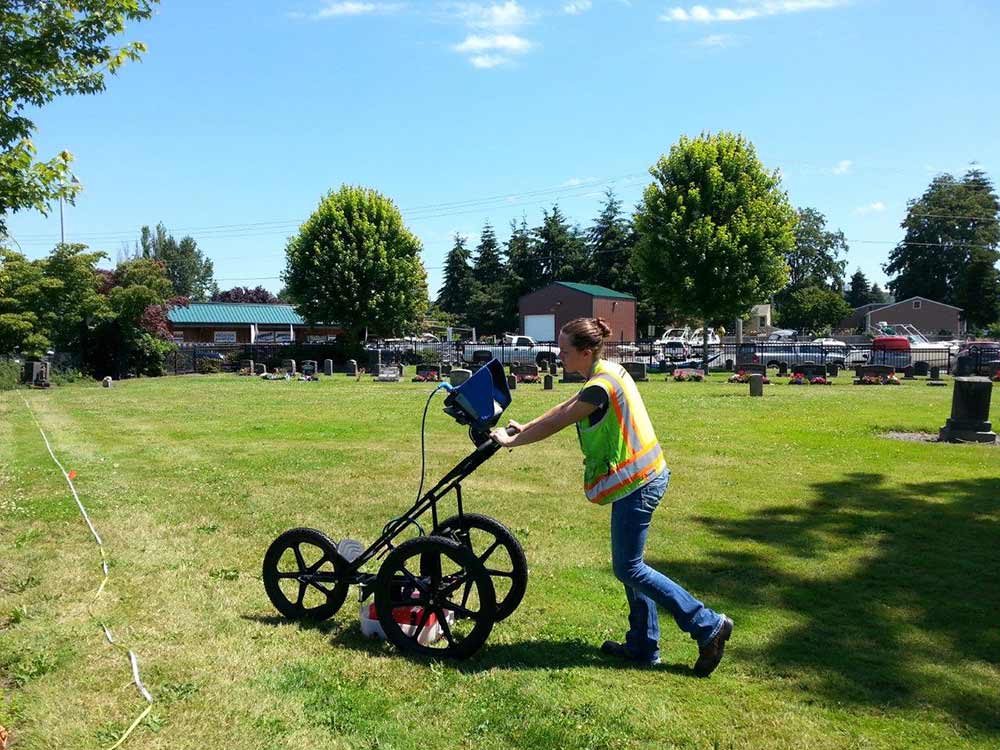
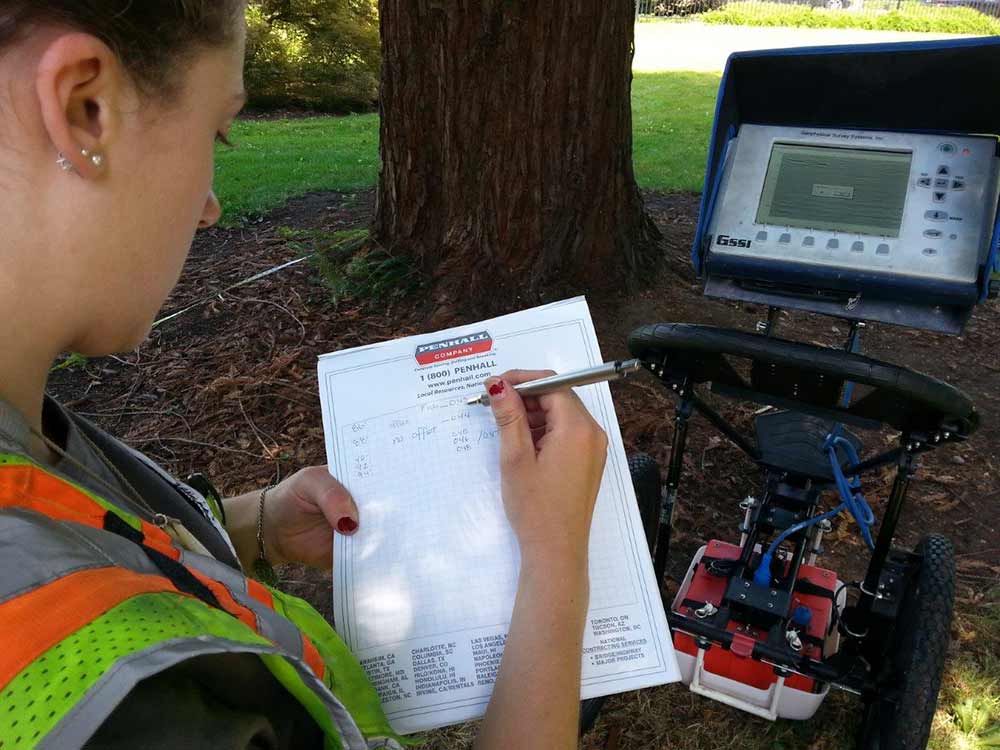
When working on a project that involves any amount of concrete cutting or core drilling, concrete scanning can be the key factor to your risk management strategy.
Here are 5 project risks that concrete scanning can help manage:
- Quality and safety
- Cost management
- Time management
- Scope & change management
- Information management
If ignored, you may be putting your project at risk for the following:
- Increased costs
- Loss or reduction in profit
- Putting workers’ safety at risk
- Damage to company reputation
Think about the following scenario, and notice exactly how scanning before cutting or drilling will dramatically reduce the above risks:
You’re on a site where a major remodel is occurring. This job involves a massive amount of core drilling for new electrical. The cores are needed through a post tension slab, and you don’t want to risk cutting into the tension cables. Drilling blindly will not only put the job at risk of being delayed (time management), but can put workers’ lives at risk as well (safety risk). Furthermore, the cost of either fixing the tension cables or having to replace the slab altogether can not only reduce your profits, but at worst put you in the negative (cost management).
If you decide to scan first, all of these risks can be greatly reduced. Additionally, when you scan first you are equipped with the information (information management) you need to successfully manage any necessary changes to keep a project in the positive, and under control (scope & change management).
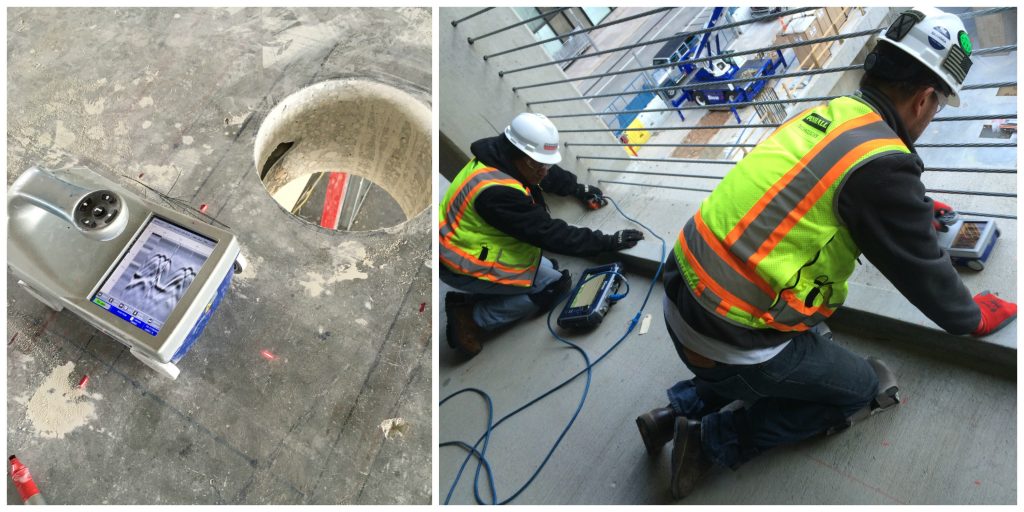
This scenario is only one of many that can benefit from scanning before cutting or drilling. Anytime concrete cutting or drilling is a part of your project, it’s not only a good idea to have the concrete scanned, but a smart investment for a project manager.
Visit https://www.penhall.com/concrete-scanning/ for more information on Penhall Technologies’ concrete scanning services. Call us at 844-211-5300 for a free estimate.

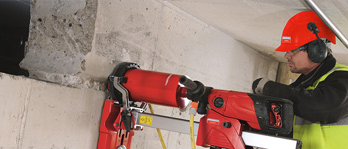 Now, there is a push button – as you’re drilling and you come to an obstruction, you don’t shut off the machine, you can just switch speeds automatically. This has greatly improved the efficiency of operators because every second on the job counts, and those lost seconds of manually switching speeds add up.
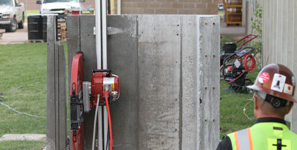 Eventually auto feed emerged where you could crank it and the unit would travel by itself. However, if the operator wanted it to move another direction, they would have to manually crank the unit again.
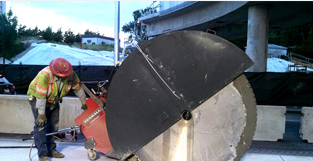 Currently, the flat saw machine is drastically different. Now an operator can use 18” or 20” blades to start and cut 6” deep in one pass. The current flat saws also have a push button starter, 3 speed transmission, hydraulic drive, and diesel engine. Place a car body on them and you could drive that thing!