What are the Different Types of Concrete and Why They Matter
Concrete is the single most widely used construction material on Earth, forming the backbone of our cities, infrastructure, and homes. Not all concrete is the same, however. Understanding these different types is crucial for selecting the right material for specific construction projects, ensuring optimal durability, strength, and cost-effectiveness.
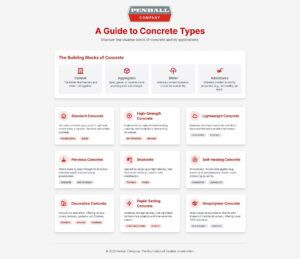
Modern construction demands a material customized for every unique challenge from building the world’s tallest skyscrapers to designing eco-friendly pavements. So, how many types of concrete are there? There’s no single number, as concrete is continuously engineered for specific performance needs, but we can categorize the primary formulas used today based on their composition, strength, and specialized application.
Concrete Classified by Strength and Performance
These types are designed to withstand exceptional loads and harsh environments, going far beyond the capabilities of standard mixes.
Standard (Normal-Strength) Concrete
The base layer of modern construction, standard concrete is a foundational mix of Portland cement, water, and aggregate (sand, gravel, or crushed stone). The balance of the water-to-cement ratio is key to its final strength.
- Key Property: Compressive Strength typically ranges from 2,500 to 5,000 psi.
- Common Use: Foundations, sidewalks, residential slabs, and basic structural elements.
High-Strength Concrete (HSC)
Defined by the American Concrete Institute (ACI) as having a compressive strength exceeding 6,000 psi, HSC achieves its superior performance through the inclusion of specialized admixtures like silica fume and superplasticizers. These additives densify the mixture and improve the bond between the cement paste and the aggregates.
- Key Property: Compressive Strength between 6,000 and 15,000 psi.
- Common Use: High-rise buildings (columns and walls), long-span bridges, and heavy-load bearing structures.
High-Performance Concrete (HPC)
Unlike HSC, HPC is defined not just by strength but by a suite of enhanced characteristics, including high durability, low permeability, and resistance to chemical attack. HPC is engineered to deliver exceptional longevity in challenging environmental conditions.
- Key Property: Enhanced durability and resistance to freeze-thaw cycles or corrosion.
- Common Use: Marine structures, bridge decks, and parking structures exposed to de-icing salts.
Ultra High-Performance Concrete (UHPC)
This advanced material pushes the boundaries of concrete engineering. UHPC uses a unique blend of fine powders (Portland cement, quartz flour, silica fume) and often includes small steel or organic fibers for reinforcement. This results in phenomenal compressive strength and, critically, high tensile strength, often eliminating the need for traditional rebar.
- Key Property: Compressive Strength up to 29,000 psi. Exceptional durability and post-cracking performance.
- Common Use: Blast-resistant structures, complex architectural elements, and bridge connections.
Concrete Classified by Placement and Workability
These types of concrete are mixed to simplify installation and ensure even filling in congested or complex forms.
Self-Consolidating Concrete (SCC)
SCC is highly flowable and stable, allowing it to spread into formwork and tightly reinforced areas under its own weight without the need for mechanical vibration. This eliminates labor costs, reduces noise pollution on site, and ensures a superior, void-free surface finish.
- Key Property: Exceptional flowability and ease of placement, achieved with high-range water reducers.
- Common Use: Complex architectural elements, congested formwork, and areas requiring a high-quality surface finish.
Shotcrete
Also known as pneumatically applied concrete, Shotcrete is concrete (or mortar) conveyed through a hose and pneumatically projected at high velocity onto a surface. It can be applied to vertical or overhead surfaces without requiring extensive formwork. It can be mixed using the dry-mix (water added at the nozzle) or wet-mix (pre-mixed concrete) method.
- Key Property: Applied via high-velocity projection; ideal for vertical or overhead surfaces.
- Common Use: Swimming pool construction, tunnel linings, slope stabilization, and structural repairs.
Specialized and Eco-Friendly Concrete Types
These formulas are tailored to meet specific non-structural requirements, from aesthetic appeal to environmental sustainability.
Reinforced Concrete
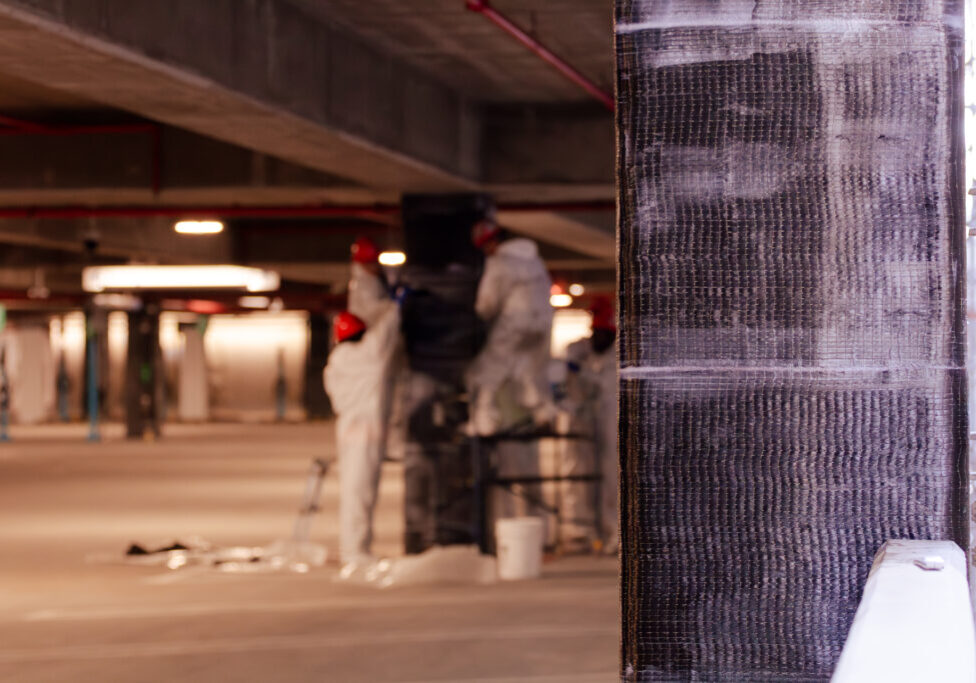
This is a composite material that utilizes the strengths of both concrete and steel. Standard concrete has high compressive strength but low tensile strength (it cracks easily when pulled apart). Reinforced concrete embeds steel reinforcement (typically rebar or mesh) into the concrete to absorb the tensile and shear stresses, creating a robust, durable structural element.
- Key Property: High resistance to both compression (from concrete) and tension (from steel).
- Common Use: Nearly all structural elements: beams, columns, slabs, and foundations.
Pervious (Permeable) Concrete
Pervious concrete is designed to allow water to pass directly through it. It contains little or no fine aggregate (sand), resulting in a high volume of interconnected voids. This addresses stormwater runoff issues, recharges groundwater, and helps mitigate the urban “heat island” effect.
- Key Property: High porosity (15-25% void content); allows for rapid drainage.
- Common Use: Parking lots, low-traffic pavements, sidewalks, and driveways in areas with stormwater management concerns.
Stamped Concrete
An architectural type of concrete used for decorative applications. After the slab is poured, molds (stamps) are pressed onto the surface while it is still plastic to mimic the texture of natural materials like slate, brick, wood, or flagstone.
- Key Property: Highly customizable aesthetic versatility with various patterns and colors.
- Common Use: Patios, driveways, pool decks, and interior flooring where natural stone appearance is desired at a lower cost.
Limecrete
Also known as lime concrete, this ancient material replaces modern Portland cement with lime as the binder. Limecrete is known for its “breathability,” allowing moisture to pass through the structure, which prevents dampness and mold growth. It is often used in the restoration of historic buildings and eco-friendly construction due to its lower carbon footprint.
- Key Property: Breathability and lower environmental impact due to carbon absorption during curing.
- Common Use: Historic building restoration, traditional flooring systems, and natural building projects.
The Role of Concrete Expertise
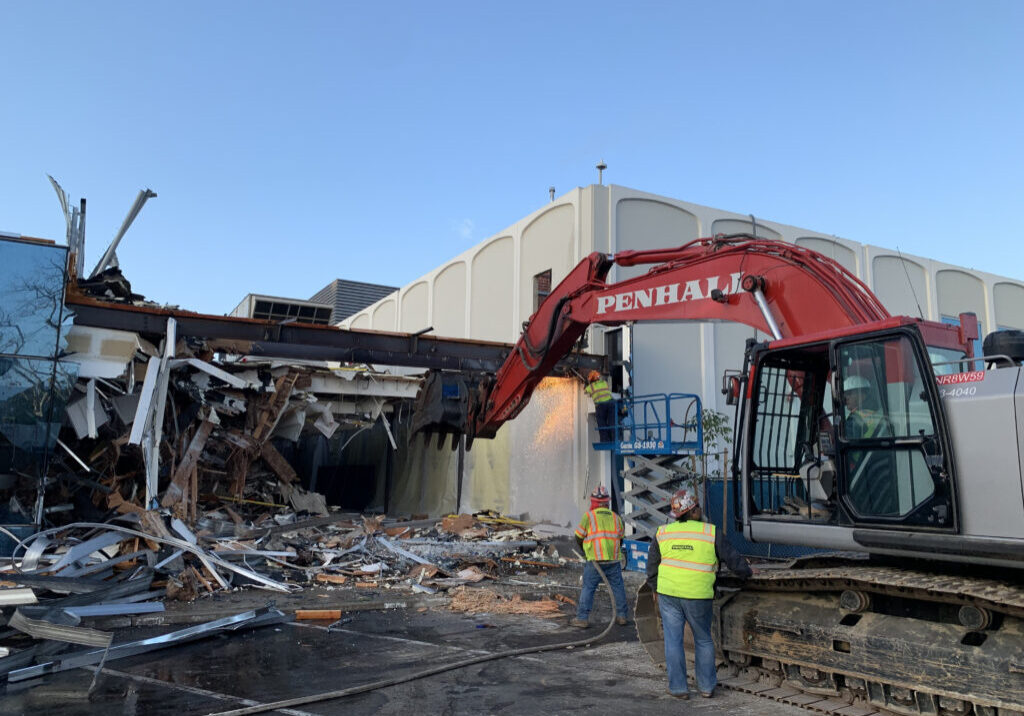
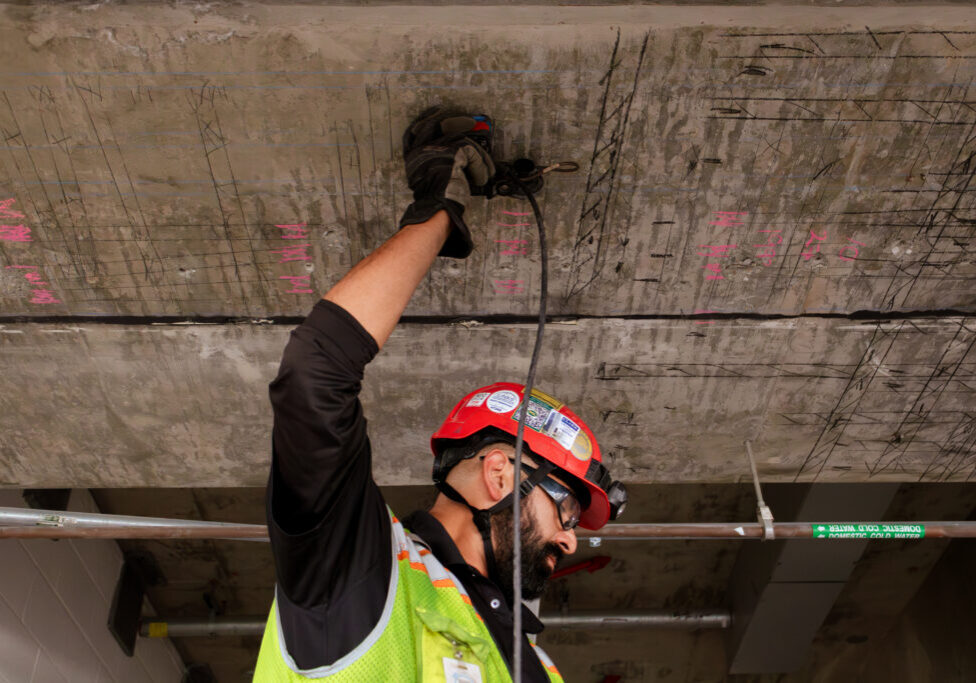
With many different types of concrete available, selecting the correct mix design is a critical decision that influences the entire lifespan of a structure. Whether a project requires the immense compressive strength of UHPC, the environmental benefits of Pervious concrete, or the workability of SCC, partnering with concrete service experts like Penhall Company ensures that the material is not only specified correctly but is also cut, cored, and handled safely and efficiently throughout its life.